


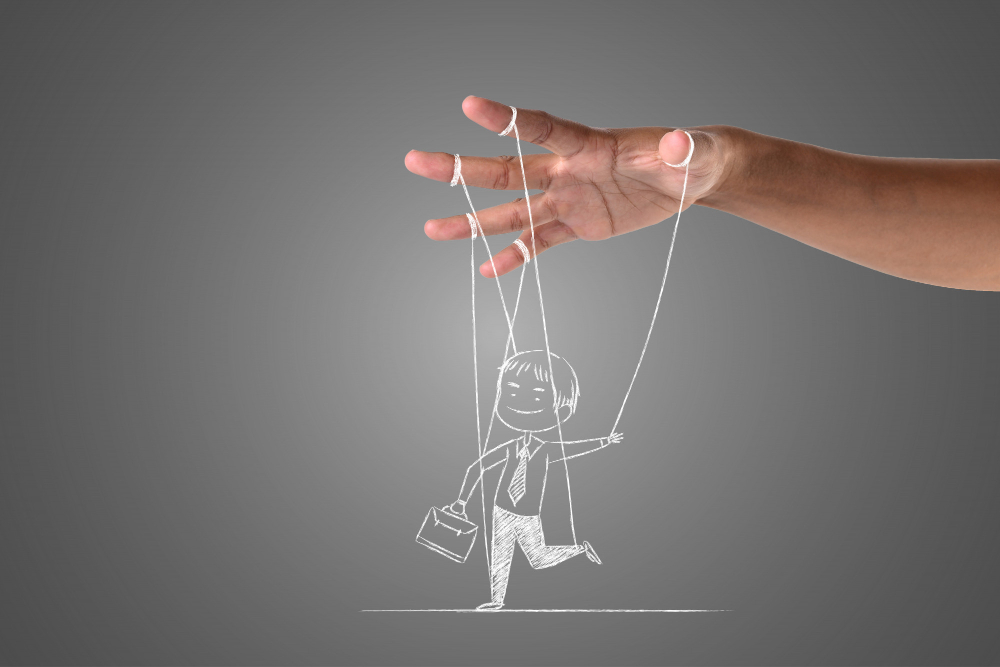
Subconscious beliefs are among the most powerful — and most underestimated — factors shaping our lives.
As a coach, I have seen many times how lasting transformation does not come only from strategies and willpower, but also from deeper work beneath the surface, where these beliefs often reside. One of the most important parts of my work with clients is helping them bring these beliefs into awareness and transform them.
My interest in the power of subconscious beliefs goes back many years.
In the 1990s, while in California, I had the opportunity to study directly with Bruce Lipton, Ph.D., attending one of his courses that would later inspire his international bestseller The Biology of Belief — a book that, even today, remains a widely recognized reference in the field of personal transformation and psychobiology.
Although loved by many and criticized by others, Lipton made an important contribution.
That experience deeply influenced my path and gave rise to my ongoing work with beliefs and the subconscious as levers for real change.
What Are Subconscious Beliefs?
Subconscious beliefs are deep convictions that operate outside our conscious awareness. They influence our behavior, our way of thinking, and the results we create in life.
They function like mental programs. Sometimes they are formed through intense or difficult experiences; other times, they are absorbed passively from the environment in which we live — or in which we grew up.
We do not consciously choose them, yet we often live according to their patterns. Quietly and automatically, they can influence every area of our lives.
Why Are Subconscious Beliefs So Powerful?
Until we become aware of them, the beliefs we hold about ourselves and the world around us shape how we think and how we feel.
Here are a few simple examples.
Self-esteem: a deep belief such as “I am not enough” can sabotage attempts at growth, regardless of your actual abilities.
Relationships: if, at a subconscious level, you believe that “relationships are dangerous” or “no one truly understands me,” that filter will influence the way you experience every relational interaction.
Performance and success: the subconscious mind tends to look for consistency between what you believe and what you experience. If you believe you do not deserve success, you may struggle to achieve it — or to sustain it — even when you have all the necessary skills and resources.
How to Train the Subconscious Mind
Throughout my own journey — both personally and as a coach — I have gathered and refined practical, transformative tools. Some of these include:
Belief exploration: to bring to light what may truly be limiting you.
Evolutionary affirmations: empowering questions that train the mind to look for new possibilities, instead of repeating old labels.
Creative visualization and emotional recalibration practices: to support the development of new, more functional beliefs aligned with your goals.
Transformational coaching sessions: where deeper inner work meets concrete change.
The Truth?
Beliefs are not the truth.
Their truth is that they are mental maps. They are not simply negative or positive: they are either empowering or disempowering.
With disempowering beliefs, the bad news is that they can become embedded at the foundation of your behaviors and decisions. The good news is that they can change.
If you want to evolve your results, start there: by rewriting your “inner code.”
Think about it: what is one subconscious belief you feel may be holding you back?
If you sense that somewhere inside you there is a belief working against you, book a first exploratory session and take your first step toward a more conscious and meaningful change.
I wish you good reflections.